David Reynolds · Digital Value Creator

Digital that shows up in the valuation.

Most digital investment doesn't create value. The problem isn't building — it's knowing what to build. Twenty years closing that gap inside PE-backed and B2B businesses — as a builder, not an adviser.

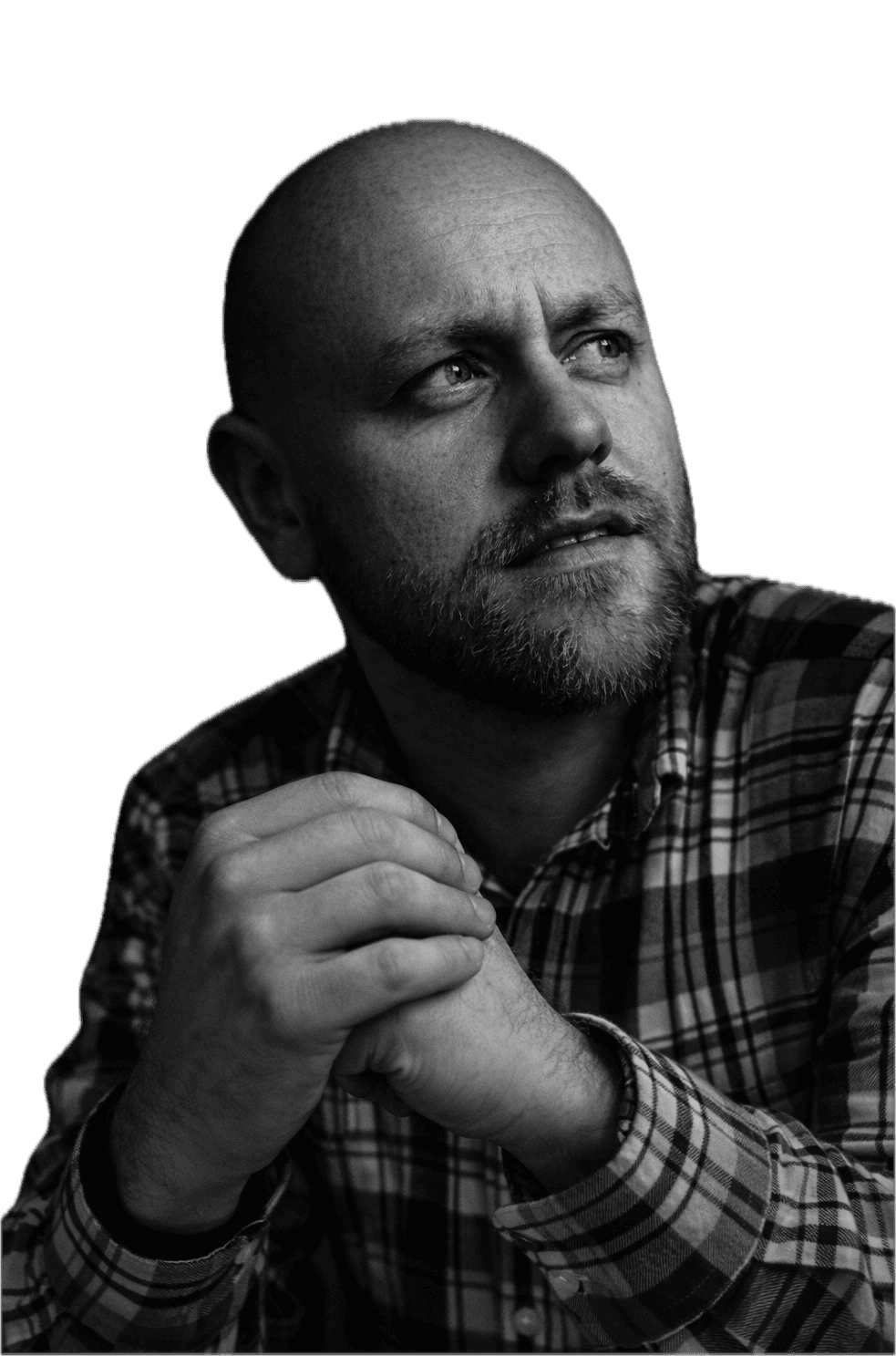
David Reynolds, black and white portrait
Built and led digital atTOTALJOBS GROUPRELXGRANT THORNTONALEXANDER MANNOASIS GROUP
The gap

Most organisations don't have a technology problem. They have a value creation problem.

Technology is an input. Value comes from better commercial decisions, better products, better operating models and better execution. Digital makes those possible. It doesn't replace them.

The conversation around digital and AI is well ahead of the reality. Most of the work is still structural: product, operating model, commercial alignment, execution. That's where outcomes are decided.

Technology is easy to buy. Enterprise value is much harder to create. My work sits in the gap between the two.

What I work on

Three things I keep coming back to.

01 — Emerging technology & AI

Telling the real from the hype

Three technology waves so far: big data and machine learning, digital product platforms, and now enterprise AI. I still build with the tools myself — which is how I work out what they can actually do, rather than what they're said to do.

02 — Product leverage

Turning capability into product

Content, data and services that already exist inside a business, made into something that scales — and that someone is commercially accountable for.

03 — Operating friction

What quietly erodes the margin

The drag between the strategy and the execution: handoffs, incentives, decision rights. Rarely glamorous, usually where the value is.

Where this comes from

Twenty years in that gap.

The companies and titles changed. The pattern didn't.

Internal function to growth engine
OASIS Group

From internal function to growth engine.

Group Chief Digital Officer at an international information-management business, leading the shift from digital as an internal function to digital as a commercial growth engine.

Start-up to exit
Totaljobs Group

Growth is a commercial system, not a marketing activity.

I joined early and stayed through the whole arc — from around £200k of revenue to more than £20m, and an exit to Axel Springer. I led digital strategy and audience growth across the portfolio, and built the R&D capability that expanded it.

Publisher to data business
RELX / Reed Business Information

Transformation is what you sell, not what you install.

Seven years helping turn a traditional publisher into a data and analytics business. I led product and innovation work across a global portfolio: an acquisition that became a new market-data product, automation that saved millions a year, and some of the group's earliest commercial uses of AI and natural-language generation.

Ventures inside an established firm
Grant Thornton

You can't buy innovation. You build the system that produces it.

I owned the digital P&L at a professional-services firm and built new products and a corporate-venturing capability from scratch. Some worked. Some didn't. The ones that worked had one thing in common: someone owned the commercial outcome, and the incentives changed around them.

Start-ups, mentoring and co-creation
SEED VC · Tynton Group

The fastest way to understand something is to build it small.

Two years working across the venture and early-stage ecosystem. I co-founded a pre-accelerator programme, mentored founders through build and go-to-market, and sat on the other side of the table as an innovation and venture director. Alongside it, emerging-technology work with corporates — digital twins on an industrial estate, an aviation technology lab that brought major international airports around one table. Co-creation rather than consultancy: in the room, building the thing, and still mentoring founders now.

Platform from incubation to launch
Alexander Mann Solutions

Products don't fail because of technology.

Inside a PE-backed global talent business, I took a proprietary platform from idea to launch and into the centre of the company's core proposition. The engineering was never the hard part. The hard part was changing how the business sold, operated and made decisions around it.

AI

Most AI strategy is written by people who don't build.

I've built AI capability end-to-end inside a PE-backed group — strategy, governance, operating model and systems in production. I also still write code with these tools most weeks. The two things are related.

Using them is how I tell a real opportunity from a demo. Most AI business cases fail on the things they always failed on: no owner, no commercial outcome, no route from prototype to production. The model is rarely the constraint.

So the work is unglamorous. Pick use cases against value, build the governance before the appetite outruns it, and get one thing into production properly — then let that set the standard for everything after it.

In production, not in pilot
  • Group AI strategy and governance — standards and investment decisions taken at board level, not left to enthusiasm.
  • An AI use-case operating model — the guardrails and working prototypes that let every function adopt AI without improvising it.
  • Document AI at scale — benchmarked the major model providers, then productionised an automation pipeline across millions of records.
  • AI inside a client-facing product — productised use cases shipped to customers, not demos shown to the board.
Hands on withAnthropicGeminiAgentic coding agentsRAGVercelSupabase
How I think

Five questions.

Every piece of work starts with the same questions. They sound simple. Most organisations can't answer them.

01

What value does this actually create?

02

Who owns the commercial outcome?

03

If this succeeds, how does enterprise value improve?

04

What job is the customer hiring this to do — and what happens five minutes either side?

05

Would we build this with our own money?

First ninety days in any business: customers, commercial model, operating model, incentives. Technology comes later — it's rarely the constraint. And projects should be killed the same way they're funded: against value, not activity.

Over the years this has hardened into a working method — with structured, measured risk decisions at each stage. Nothing revolutionary. It just makes proposition development consistent, teachable and worth investing in.

IdeationDesignExecutionAccelerationScaling
About

Built things all the way through.

I started as a software developer at Essex County Council. I didn't arrive at any of this through consulting — I've built things all the way through: products, platforms, teams, ventures.

I've worked across start-ups, FTSE 100 groups, PE-backed businesses and global firms. I mentor founders now and then. And I'm restoring an old boat, which turns out to be the same discipline: take a complex, broken system, understand it properly, rebuild it so it works.

Start a conversation.

I'm always interested in talking to people working on the same problems — operators, investors, founders. If something here lands, or you think I've got it wrong, get in touch.

Connect on LinkedIn